
27 games available





.png)

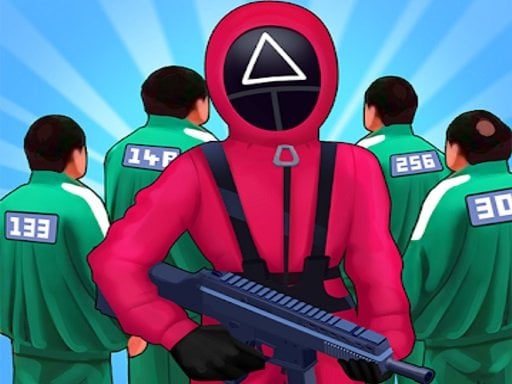
Squid Game 456
Action
10 Played
Description
The survival game genre has experienced significant growth and evolution, captivating players worldwide by tapping into primal human instincts and the desire for challenge. The Appeal of Survival Games The popularity of survival games—whether they involve wilderness exploration, apocalyptic scenarios, or high-stakes competition—is often attributed to a combination of psychological and biological factors: Primal Instincts: Humans have an innate drive to survive. By simulating needs like food, shelter, and safety, these games engage basic evolutionary instincts in a safe, controlled environment. Controlled Fear: Survival horror and high-stakes survival games allow players to experience adrenaline, suspense, and "controlled uncertainty." Because players know they are not in actual physical danger, the physiological arousal (increased heart rate, sharpness) often translates into exhilaration and a sense of accomplishment. Agency and Empowerment: Unlike many aspects of daily life where individuals have limited control, survival games offer a clear set of objectives. Overcoming impossible odds, managing scarce resources, and building something from nothing provides a strong sense of agency, purpose, and mastery. Reflection of Reality: Many modern survival stories serve as mirrors for contemporary societal anxieties, such as economic disparity, intense competition, and the feeling of being "tested" by systems. By re-imagining these challenges in fictional worlds, players can process complex emotions and social themes from a distance. The Evolution of the Genre The genre has broadened significantly over the years, moving beyond simple escapism into complex narratives and mechanics: Diverse Mechanics: Modern survival games blend various elements, including resource gathering, base building, puzzle-solving, and strategic combat. Players are often forced to choose between evasion and confrontation due to limited ammunition or overwhelming odds. Influence of Popular Culture: Global phenomena, such as the Squid Game series and the Hunger Games franchise, have influenced game design. These stories popularized the concept of "deadly trials" based on playground games or high-stakes competitions, highlighting themes of desperation and the precarious nature of cooperation. Social Connectivity: While many survival games offer intense solo experiences, the inclusion of co-op and multiplayer modes fosters teamwork and shared experiences. Navigating a harsh world with others can turn a challenging experience into a social one, building camaraderie. Types of Survival Experiences The genre is vast, ranging from hardcore simulations to more casual, narrative-focused experiences: Open-World Sandbox: Games like Minecraft or Ark: Survival Evolved emphasize creativity, base building, and navigating dangerous environments at one's own pace. Hardcore Survival: Titles such as DayZ or Project Zomboid focus on realistic, punishing mechanics where mistakes can lead to permanent loss and death is an ever-present reality. Survival Horror: These games, such as Resident Evil or Silent Hill, use atmospheric tension, limited visibility, and psychological elements to create a sense of vulnerability and panic. Competition-Based Survival: These titles often feature "last one standing" mechanics or elimination rounds, mirroring the high-stakes tension found in contemporary dystopian fiction. Regardless of the specific subgenre, the enduring appeal of survival games lies in their ability to offer players a unique arena to test their resilience, strategic thinking, and problem-solving skills in the face of uncertainty.

